Best Clamshell Packaging Options for Global Buyers?
In the growing world of packaging, clamshell packaging stands out for its versatility and protective qualities. Industry expert David Greenfield, a packaging consultant with over 15 years of experience, once stated, “Clamshell packaging not only enhances product visibility but also protects products during transit.” This dual functionality makes it a favorite among global buyers.
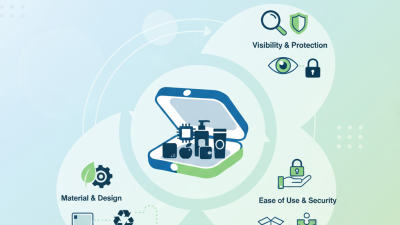
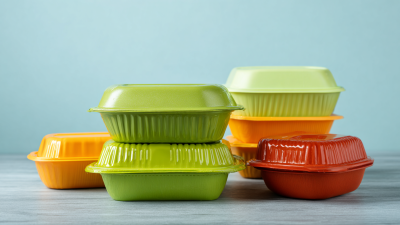
Choosing the right clamshell packaging can be challenging. The market offers numerous options, each with unique benefits and drawbacks. Buyers must consider factors such as material type, design, and environmental impact. For instance, certain materials may provide better durability but lack sustainability.
As consumers demand eco-friendly choices, clamshell packaging must evolve. Innovations in materials, such as biodegradable plastics, are emerging. However, these materials often come with higher costs. Buyers must weigh the balance between cost and sustainability. Additionally, not all suppliers offer the latest technology. This can lead to missed opportunities in optimizing packaging solutions.
Overview of Clamshell Packaging in Global Markets
Clamshell packaging is becoming widely popular in global markets due to its versatility and protective features. This style of packaging excels in product visibility while offering essential protection against environmental factors. According to a recent report by Smithers Pira, the global clamshell packaging market is projected to reach over $14 billion by 2025, highlighting a steady compound annual growth rate of 3.5%. This growth reflects the increasing demand across various sectors, such as food, pharmaceuticals, and consumer goods.
In Europe and North America, clamshell packaging is favored for its durability and recyclable options. Many manufacturers are now prioritizing sustainable materials to cater to eco-conscious consumers. A study from the Flexible Packaging Association revealed that 70% of consumers are more likely to buy products from brands that use environmentally friendly packaging. However, challenges remain in balancing cost and sustainability. Some companies report higher production costs when switching to eco-friendly materials, which can strain budgets.
Despite its advantages, clamshell packaging has drawbacks. Some users have noted difficulty in opening the packages, which can lead to product damage. Additionally, excess plastic use poses environmental concerns that require careful consideration. Brands must continuously assess these factors to meet consumer expectations while minimizing their ecological footprint. Understanding these dynamics is crucial for global buyers looking to navigate the evolving packaging landscape.
Clamshell Packaging Options in Global Markets
Key Benefits of Using Clamshell Packaging for Businesses
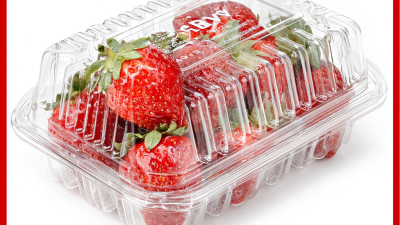
Clamshell packaging has become a popular choice for many industries. Its sturdy design provides excellent protection for products during shipping and storage. This form of packaging is often transparent, allowing customers to see the product without opening it. This visibility can enhance the shopping experience and encourage purchases. Businesses benefit from this increased engagement.
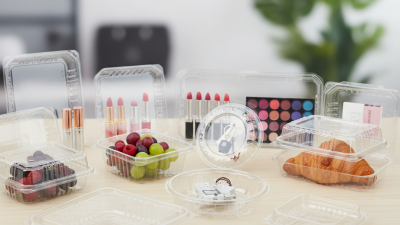
Another advantage is the versatility of clamshell packaging. It can be used for various products, from electronics to food items. This adaptability can simplify inventory management for companies. However, some businesses might overlook the environmental impact. While clamshells offer convenience, recyclable options are crucial for sustainability. Companies should weigh the benefits against their eco-friendly goals.
Cost efficiency is another factor to consider. Clamshell packaging can be more cost-effective than traditional packaging, especially for bulk products. However, the initial investment might be higher. It's important for businesses to analyze their budget and long-term needs. Testing different options before committing can lead to better decisions.
Types of Clamshell Materials and Their Environmental Impact
Clamshell packaging is widely used across various industries due to its versatility and protective qualities. However, the materials used in these packages can significantly impact the environment. Commonly, clamshells are made from PVC, PET, and PLA, each with distinct environmental footprints. Research from the Packaging Waste Directive indicates that approximately 80% of plastic packaging waste is not recycled properly.
PVC, while durable, poses recycling challenges. It releases harmful chemicals during degradation. In contrast, PET is more recyclable, with studies finding that around 1.5 million tons of PET were recycled in 2021, representing 26% of the total PET produced. This considerable recycle rate highlights its potential for sustainability when managed effectively.
PLA, a bioplastic, has gained popularity as an eco-friendlier option. However, its biodegradability depends on industrial composting facilities, which are not widely available. This limitation raises questions about its overall sustainability. As global buyers consider clamshell options, evaluating these materials' environmental impact is crucial. Businesses must seek alternatives that enhance sustainability and meet consumer demand for responsible packaging solutions.
Factors to Consider When Choosing Clamshell Packaging
When selecting clamshell packaging, buyers should evaluate several critical factors. Material choice plays a significant role. Many options are available, such as plastic and biodegradable materials. Some materials are sturdier but less eco-friendly, which is a concern for many brands today. Quality matters greatly, as well-made packaging protects products better. Thin or flimsy designs might lead to damaging fragile items.
Another important aspect is functionality. Easy opening mechanisms enhance user experience. Consumers often appreciate clear packaging that allows visibility while protecting the product. The design must also consider space efficiency. Packaging that minimizes waste during shipping can save costs and resources. Additionally, customization options can help brands stand out. Unique designs can elevate a product’s appeal, but they can also increase production costs.
Finally, environmental impact is gaining attention. Buyers should opt for sustainable options that align with growing consumer demand for eco-conscious practices. Balancing sustainability with practicality may require thoughtful consideration. It’s crucial to stay updated on regulations affecting packaging choices. Overall, careful reflection on these factors can lead to better decision-making in selecting clamshell packaging.
Top Suppliers and Manufacturers for Global Clamshell Packaging
When selecting clamshell packaging, buyers globally need to consider various factors. Quality and sustainability are paramount. Always look for materials that offer durability while being environmentally friendly. This helps enhance brand image and customer trust.
Choosing reputable suppliers is crucial. Seek manufacturers with a proven track record in clamshell production. This ensures you receive packages that meet industry standards. It's important to verify their credentials. Assess their capabilities and request samples before making large orders to gauge product quality.
Consider the design and functionality of the clamshells. They should protect contents effectively while being easy to open. Evaluate the packaging’s visual appeal, as this can significantly influence consumer choices. Address any potential issues related to usability; for example, if they are too difficult to open, consumers may be frustrated. Aim for designs that enhance the product experience while minimizing waste.
Best Clamshell Packaging Options for Global Buyers
| Supplier Region |
Material Type |
Minimum Order Quantity |
Lead Time |
Certifications |
| North America |
PET Plastic |
500 units |
4 weeks |
ISO 9001 |
| Europe |
HIPS |
1000 units |
6 weeks |
CE, FDA |
| Asia |
PP |
300 units |
3 weeks |
BRC, FSC |
| South America |
PLA Bioplastic |
800 units |
5 weeks |
Organic Certification |